
For hot weather skin protection to be effective, a garment has to perform a dual function: let the body shed its heat and put a stop to UV exposure. Put simply, one wants something light and loose that is well made, offers good coverage and airflow and, if possible, has an UPF rating to back it up. In Australia at any rate, where you can be ambushed by full-strength UV on a short run to the servo, this is more of an issue than most would have you believe.
As Sadie Fairmont will tell you, there is no point in the coolest shirt if it is not safe, nor in the most protective when 35°C and the elements are rough as guts; it is not going to be easy to wear. You have to find the common ground. All the more so if you are trying to head off managing summer sweat pigmentation risks, since a combination of sun, heat, friction and inflammation will make an uneven skin tone hard to come to terms with.
The Importance of Breathability
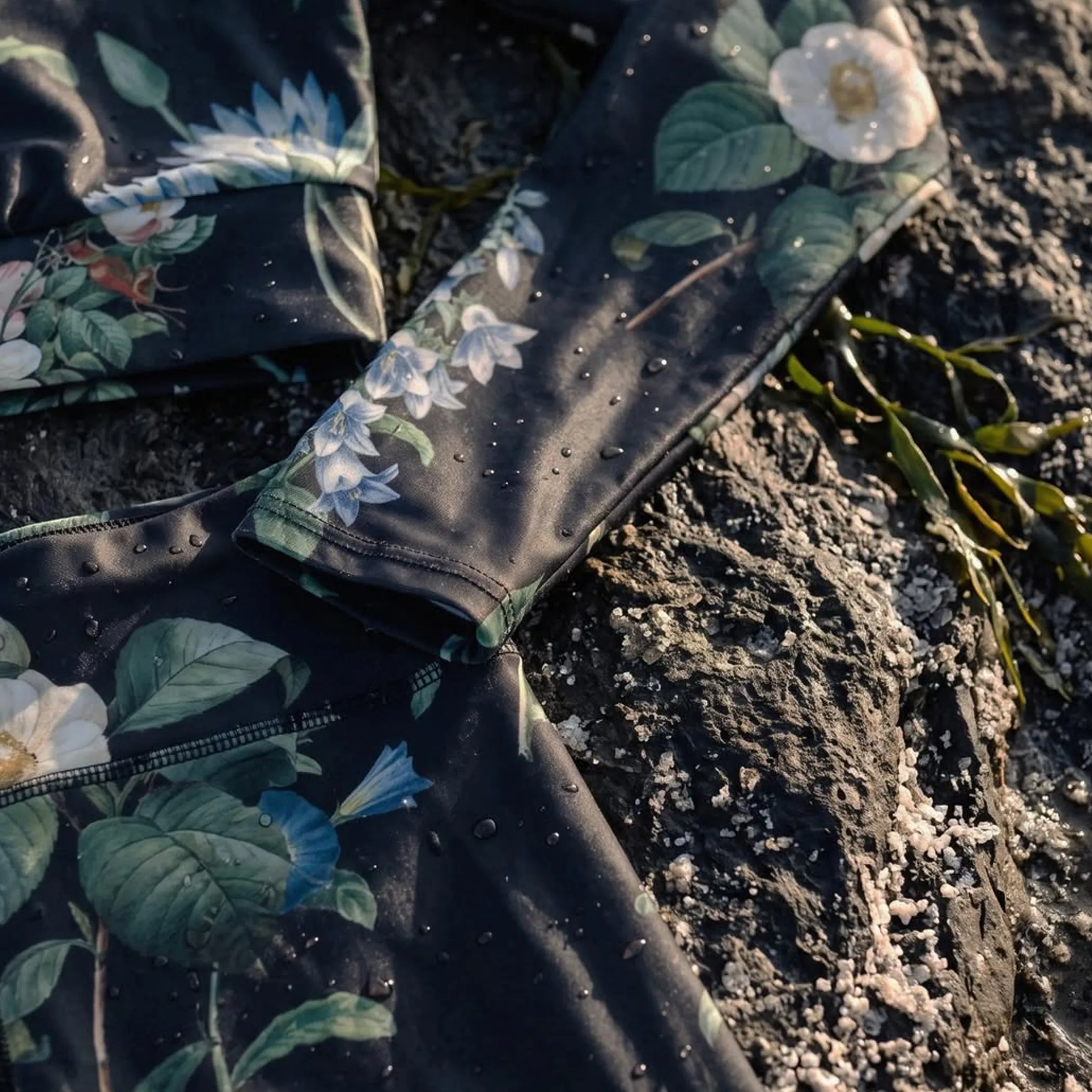
There is more to hot weather attire than comfort. It dictates how much you are apt to sweat and how long you can put in outside without feeling like you have to peel off layers that are hugging your skin like sardines.
Then again, in Australia the UV can be high on days that are not particularly overbearing. A shirt with proper breathability is what separates you from having to roll up your sleeves after ten minutes at the beach car park or on a bush track.
Heat And UV Are a Combination
You do not have to be hot for UV to do its damage to the skin, but the heat will have you exposing more of it, wiping your face and running through your sunscreen quicker. Sweat is another matter; it can cause friction at the hairline, underarms, neck and chest and stir up irritation in those with melasma or post-inflammatory hyperpigmentation.
ARPANSA will have it that for much of the year Australia is subject to very high UV and advises on sun protection when the Index is 3 or higher. For their official position on the matter, refer to the ultraviolet radiation monitoring and UV Index advice from the Australian Radiation Protection and Nuclear Safety Agency.
Where People Go Wrong
It is all too easy to think a thin top is enough for sun protection. Many a lightweight piece is airy to be sure but will let in more UV than you might reckon, particularly if it is of a pale hue, loosely knitted or has been stretched and wetted out.
Or one can put money down on some heavy “protective” gear and never be seen in it because it is akin to camping under a tarp. Shoppers in Australia tend to go for pieces they can live with when the day is at its hottest.
Pigment Problems and the Sweat Factor
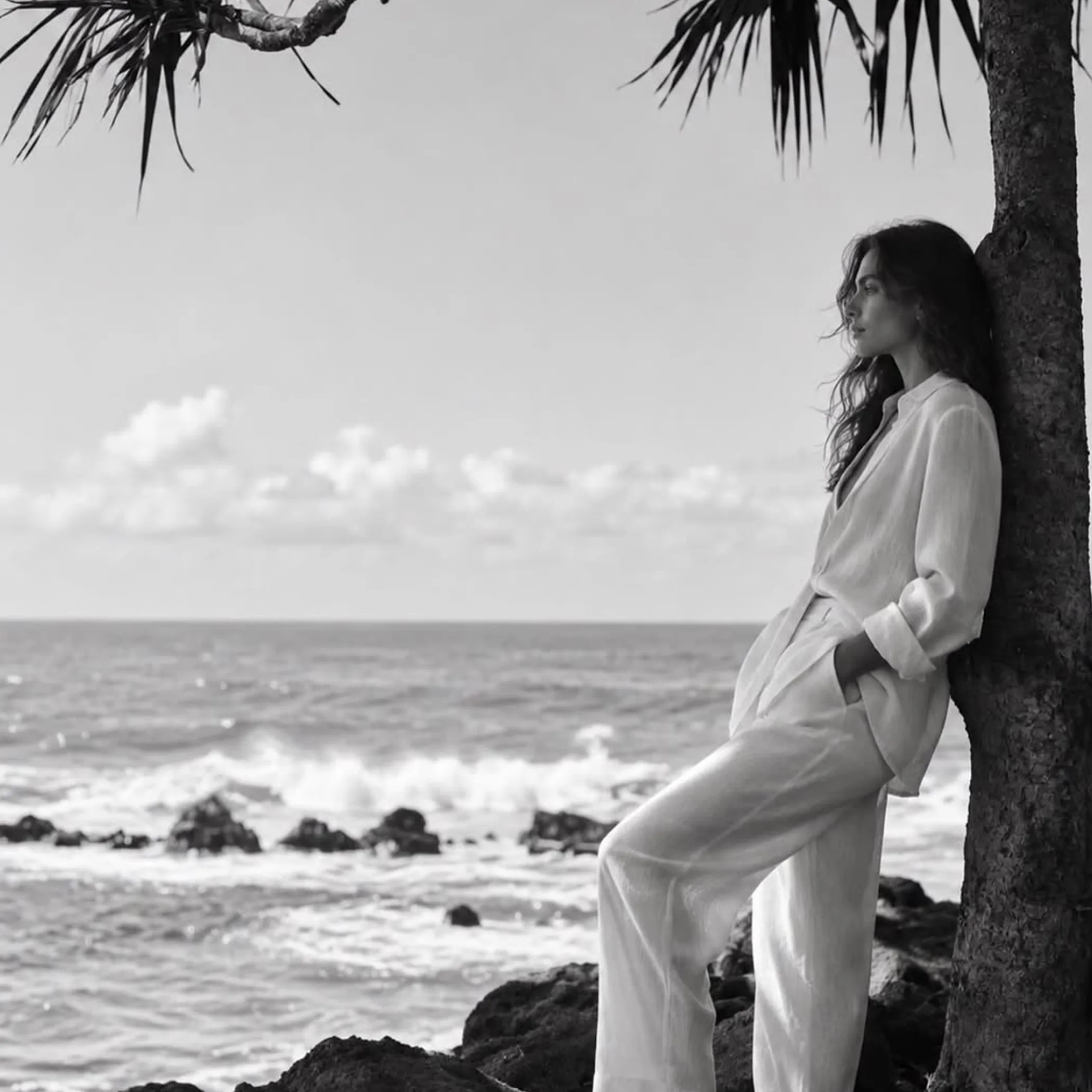
Sweat is not going to put dark spots on you of its own accord, but the reaction it provokes can. There is the inflammation and rubbing, and the urge to over-cleanse or scrub which leaves the skin in a state. Add in the sun and warmth and it is trouble for anyone with a propensity for sweat-induced pigmentation. Hence why you should consider more than just UV when choosing your clothes.
Trouble is often found on the cheeks, forehead, upper lip and jaw, or the neck and chest. Under a bra, at the waistband or where a backpack makes contact, things can get hot and damp on a long drive or hike. I have had my share of long days on exposed coastal tracks and the problem was not always the direct sun. Salt and sweat and a pack strap or collar doing their work will get to you. A shirt may cover you but if the seams chafe and the fabric does not dry, the skin is the one to suffer.
What to Look for in a Fabric
“Lightweight” is not the end of the story for a summer purchase. The right fabric for the heat will have the necessary drying speed, coverage and airflow by virtue of its fit, weight, fibre and weave.
Sadie Fairmont would advise a certain healthy scepticism when perusing product listings. The marketing is cheap talk, the construction details are where you will find out.
Let UPF Do the Talking
With UPF you are not left to guess. The ultraviolet protection factor is a measure of the radiation the fabric allows to pass. For extended time outdoors the UPF 50+ is the strongest you will find in retail and the best bet. If the brand is not forthcoming with the UPF figure, do not make assumptions about its protective qualities. A “summer top” or so called “sun shirt” is not to be confused with a piece of clothing that has been put through its paces for breathability and sun protection.
Weight, Weave And How Fast It Dries
You will find better protection in a tightly woven fabric than an open knit. Then there is the question of weight; flimsy material can allow UV to penetrate while something overly heavy will hold on to the heat. A mid-light fabric with a dense weave and some heft to it so it does not lie on the skin is generally ideal.
For heat management and to cut down on friction, quick-dry and moisture-wicking are assets. One appreciates them in humid weather when one is out walking, in the garden, or making the commute.
| Feature | Why It Is Of Use | Things To Note |
| UPF 50+ | Prolonged time outdoors demands this level of UV protection | Make sure the rating is for the garment as a whole and not merely the fabric. |
| Dense Weave | Will block UV and yet permit air to pass if it is light | An open knit may be cool to the touch but offers little in the way of protection. |
| Moisture-Wicking | Keeps sweat and cling at bay | Synthetics of a certain kind will retain odour unless you put in the wash. |
| Quick-Dry | For exercise or a day at the beach | Do not assume they are all equally breathable. |
| Loose Fit | Better ventilation, no rubbing against hot skin | A tight garment is less comfortable and more prone to friction. |
Summer Fibres
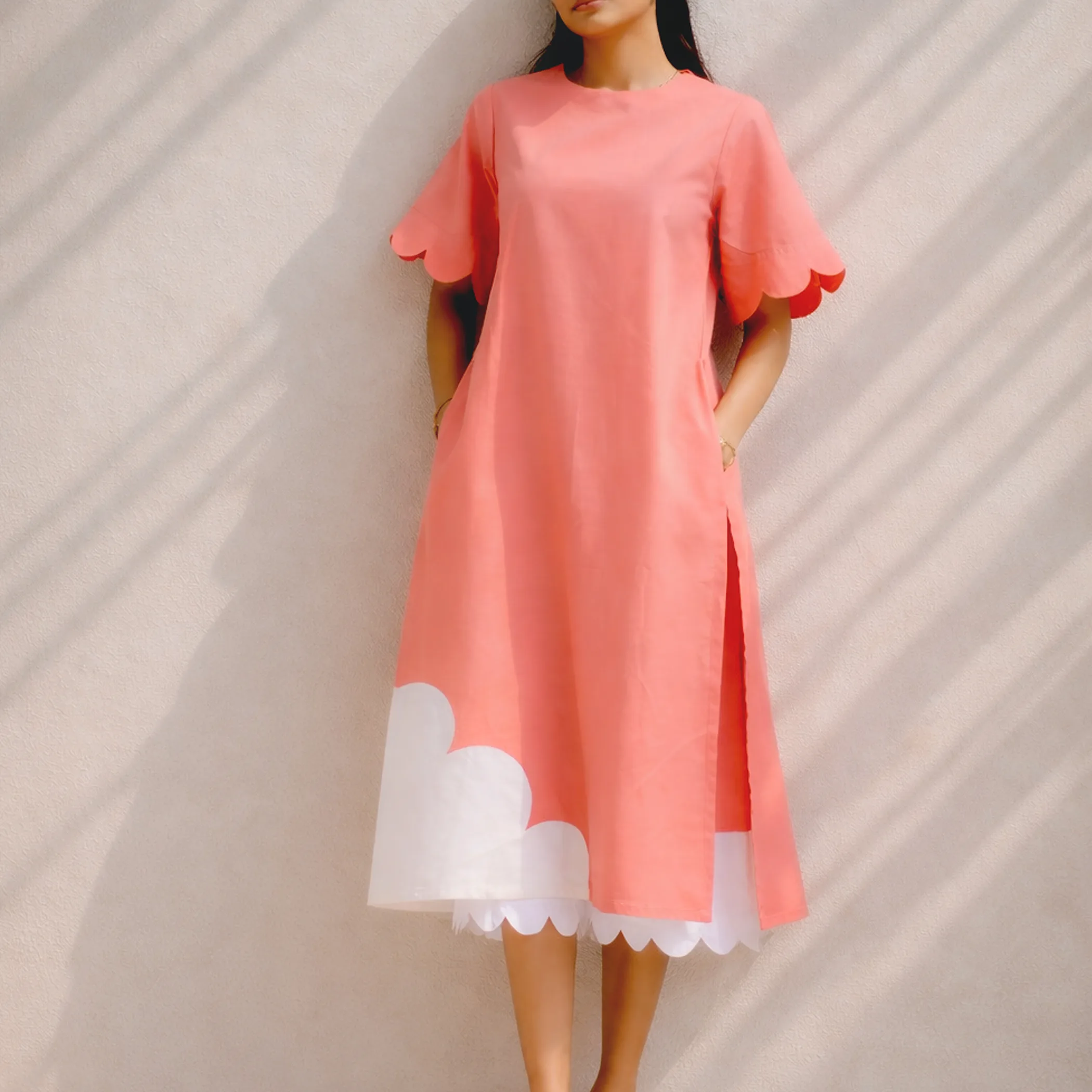
There is no fibre that comes out on top on every occasion. Whether you are bushwalking, picking up the kids from school in the glare of the afternoon, or sitting at the cricket oval, your best choice will differ. A well put together wardrobe will have a mix of natural and synthetic breathable materials. The idea of having one shirt for every event is about as fanciful as an empty car park at the beach in January.
Bamboo
Do not be swayed by the name alone when it comes to bamboo’s UPF credentials; performance is all over the place. Some blends are soft enough for reactive skin and fine for daily wear, but if you want sun protection you need to see the test results. Brands such as Bamboo Body have their easy-wear pieces, but do not make the assumption that any bamboo is going to give you good UV defence without a stated rating.
Linen and Cotton
With a tight weave and nothing too sheer, linen can put up a decent fight against the sun. In dry heat it is more agreeable than synthetics for casual wear, though very light linen runs the risk of being too translucent. Cotton is fine for everyday comfort of a lower intensity, but on a long, sweaty excursion it will stay damp and rub where you do not want it to, holding on to moisture in a way technical fabrics do not.
Technical Polyester and Nylon
When you are humping up a hill or paddling, a lightweight sun shirt of a technical blend is hard to beat. They have the UV and wicking properties and will dry in a hurry, often with the addition of venting or mesh. Sun hoodies and the like are worth the outlay. Cross a headland with no trees and a northerly blowing in your face and you will be thankful for the coverage on your hands and neck.
On Fit

The cut is almost as important as what it is made of. If it does not fit, a perfectly good shirt becomes a sweaty nuisance before you get to the dunny at the trailhead. You want something that works with the airflow, something you hardly notice you have on.
Design Elements
There is practicality in a half-zip to shed heat, a collar to put a shield on the back of your neck, or side vents for a long drive or walk. Thumb holes and longer sleeves have their place. Let the air have room to circulate between the cloth and your skin; tight activewear might do for a short while but in proper Australian heat it will only serve to trap warmth.
- Opt for long sleeves rather than a singlet when you will be outside for a while.
- A wide-brim hat is preferable to a cap.
- On days you are not moving much, have sunglasses and a parasol to hand.
- Pale or mid-tone colours will feel cooler in direct sun.
- And for open ground or the hiking track, do not skimp on neck coverage.
What you put on should suit the task. The sun is indifferent to your location but your beachwear, city clothes and hiking kit will require different things of you.
One has to be careful with the notion of a “do-it-all” outfit, for that is where things can go awry. The clothing should be in keeping with the pace and exposure you face and the likelihood of sweating.
Beach And Coastal Days
There are complications at the beach in the form of salt, wet fabric, wind and the glare off the water. You will find a rash vest or long-sleeve UPF top with quick-dry shorts or trousers more sensible than a cotton tee left loose, damp and heavy.
On a day by the coast, make a long-sleeve UPF top, a good hat and a dry shirt for the journey home your priorities. A swimmer is as apt to get burnt after his swim as during it, and there is nothing like wet clothes to sap your comfort in a hurry.
Hiking And Bushwalking
Linen or your run of the mill cotton does not stand up to the technical sun protection, venting and quick-dry of what you want for a hike. Opt for something with a hood or collar, lightweight long sleeves, airy trousers and socks that do not let your boots become a sauna when you put in the miles.
Then there are full-day excursions in the open ridgelines of South Australia, the Pilbara or Red Centre; in summer they are no joke for the uninitiated. Your clothes will only do so much to offset bad planning. Get an early start, have your water requirements in mind and stay out of the peak heat.
Everyday Wear And Exercise
When you are out for errands, a school run or an easy walk to the café, comfort is what will see you through with your sun-smart ways. A linen overshirt, some smart casual UPF or a bamboo blend you have tried and true will suffice so long as you are not drenched in sweat.
As for exercise, activewear with sun protection that is fast drying and non-abrasive is best. Put on a top in the changeroom and if ten minutes later it is all clingy, leave it.
Smart Skin Care To Go With It
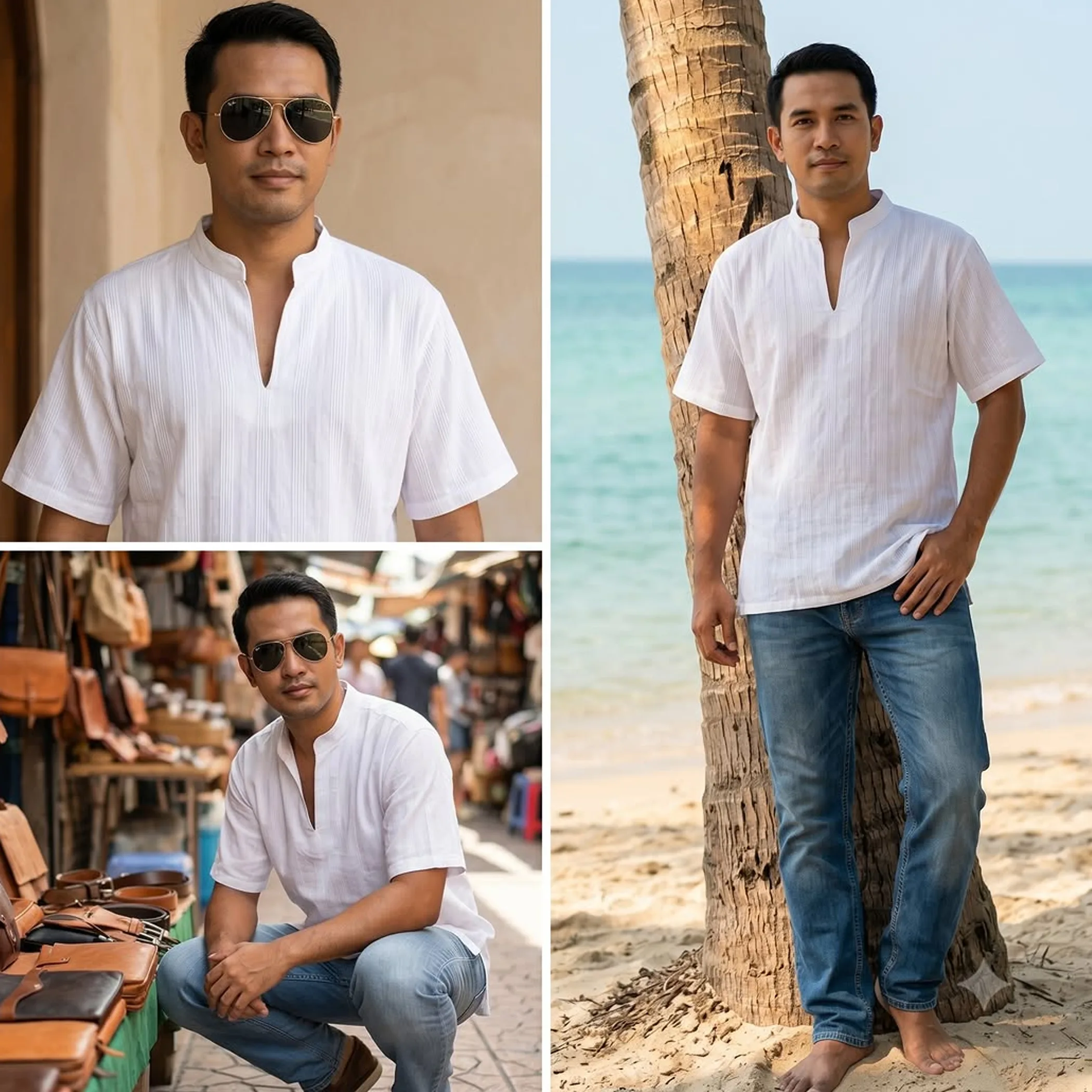
Your attire is the first defence but not a total substitute for sunscreen. There are gaps to be had around the neck, hands, ears and face depending on how a garment is cut. Should pigmentation be an issue one must be as concerned with curbing the heat and irritation as the UV, and be about it in a strategic way before and after being in the sun.
A No-Fuss Routine
Put on broad-spectrum sunscreen and let your clothing do the rest so you are not reapplying as often. On a road trip or a long walk at the beach where towel use and rubbing will see the sunscreen go, this is handy.
Once the heat is done, cool the skin down. A mild cleanse and a change from anything damp will let the skin barrier get on with it; there is no need to scrub at the sweat as though sanding a deck. For those wanting to stave off pigmentation from sweat, a low-key method of this sort is better than slapping on ten different products.
Labels, Testing And Trust
Protective claims are not made equal. The better product pages will be forthcoming with care instructions, the testing method, the fabric and the UPF rating.
In Australia a shopper will come across mention of the Cancer Council (Australia), the Skin Cancer Foundation or ARPANSA, and occasionally an independent view from Wirecutter / The New York Times or REI. Consider them a reason to look into it rather than proof positive.
Before parting with your money
Check what ultraviolet protection factor is on offer. See if the textile has the protection built in or is dependent on a treatment of short duration, and if it matters whether the fabric was tested in its wet or dry state. Do not make the mistake of thinking an ARPANSA certification is a blanket label for all clothing retailers as some would have it; one should put more stock in brand disclosures and the kind of testing language that leaves no room for doubt.
You will find such brands as Solbari and Kathmandu in this arena, with their wares suited to the outdoors and travel. But the logo is of less consequence than the fabric and fit, or if you are inclined to put it to use under actual conditions.
Buying without the guesswork
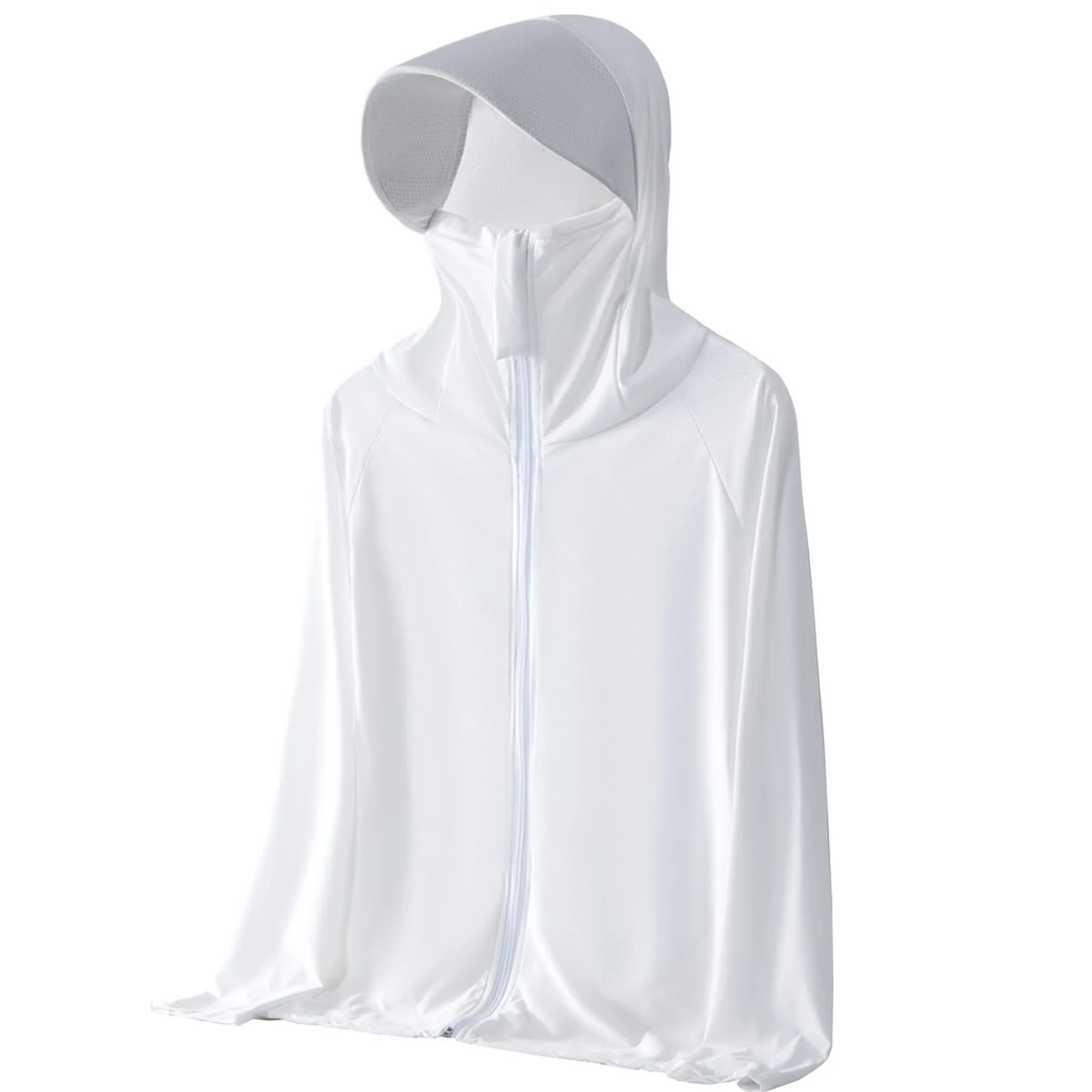
There is convenience to be had online but the listings can be slippery. A well composed shot on a dune is not going to inform you on seam rub, how fast something dries or if the shirt becomes transparent when you put any stretch on it. Then there is the matter of reality setting in. “Breathable” may still be swampy, “cooling” is open to interpretation, and “sun-safe” is at best optimistic copy work absent any test data.
- Make sure there is a UPF rating to be seen, and for high exposure you want UPF 50+ apparel.
- Have a read of the fibre blend to see if it is natural or has been made to wick moisture.
- Pay attention to the details: venting, the collar and hood, sleeve length, a loose cut.
- See what the reviews say about odour, shrinkage, transparency and whether the seams are comfortable.
- And verify your return options, the drape and sizing will prove more important than anticipated.
The bottom line
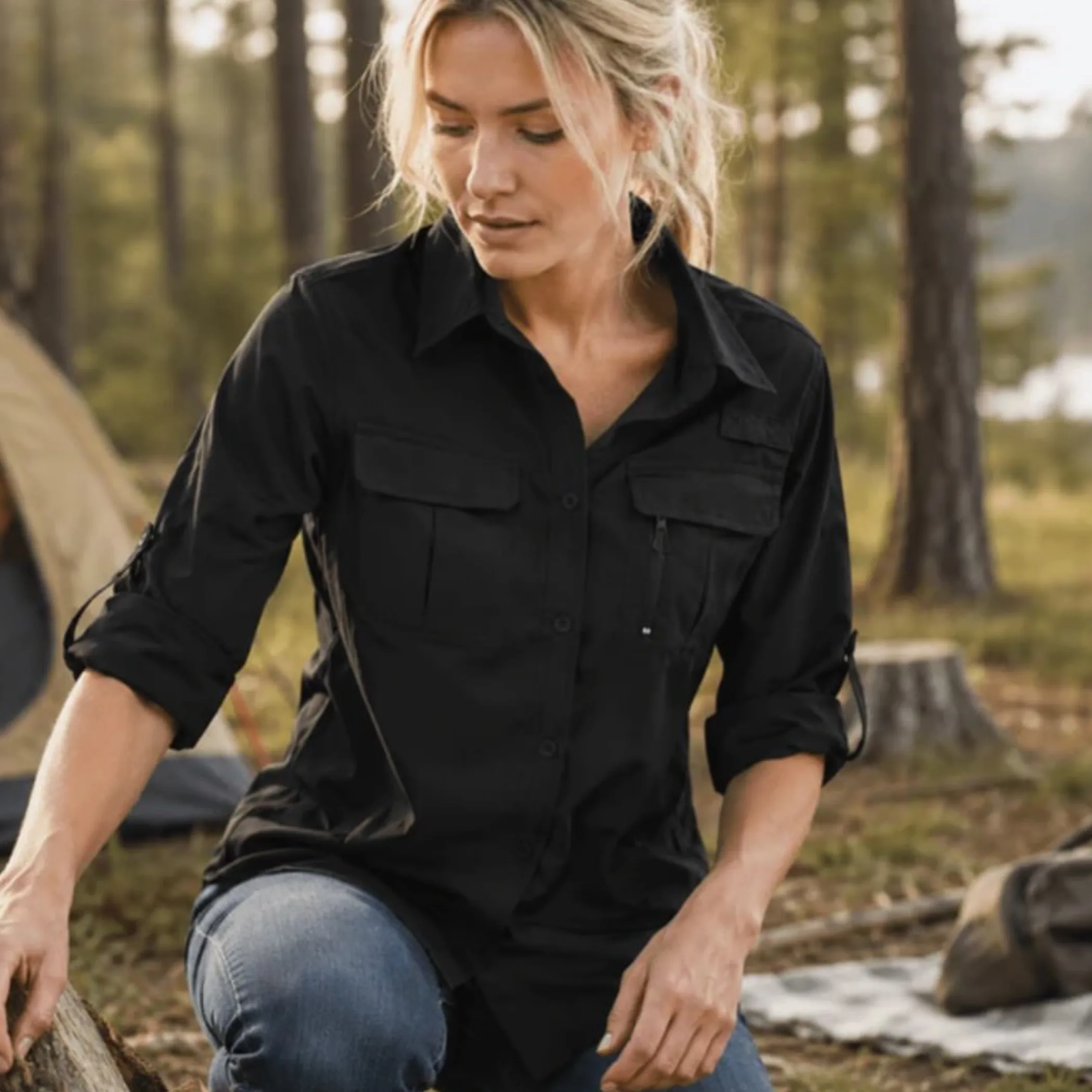
To shield your skin and remain cool in the heat, go with something light and protective that you can actually wear. In the main, tested UPF gear with good airflow and practical coverage is where you will find the sweet spot.
Sadie Fairmont would put it in no uncertain terms: put on a shirt that is UV blocking, does not chafe, dries in a hurry and is tolerable once things get sticky. Put a wide-brim hat on and some sensible sunscreen, and make for the shade when you can. It is not very glamorous, but then again neither is the prospect of sunburn or pigment flare-ups after an Australian summer, let alone heat rash.
FAQ
A way of separating the comfort from the hype is to consider these questions which come up a lot.
What Is The Best Breathable Fabric To Wear In Hot Weather?
Linen or a cotton/bamboo blend will do nicely for everyday wear when you are not sweating much. But for the humidity or to be active in, technical synthetics are the better performer by virtue of being quick-dry and moisture-wicking.
What Is The 3-3-3 Rule For Clothing?
You will not find an official standard of that name since every retailer or stylist has his own take on the phrase. Should it appear on a product page, let the brand tell you what they mean by it, do not assume it has anything to do with UPF or sun safety.
What Type Of Fabric Is Best For Sun Protection And Staying Cool In Hot Weather?
Generally you are looking for a tightly woven, lightweight material with a UPF 50+ rating. As for breathability, that is a function of the garment design, the weight and weave of the fibre, not some miracle fabric.
What Kind Of Clothing Is Best For Protecting My Skin From The Sun?
Anything from a long-sleeve top or collared shirt to a sun hoodie, long shorts or trousers, and a wide-brim hat will serve you well. Thin summer fabrics are no substitute for proper coverage and proven UV protection.
Can Sweat Make Pigmentation Worse?
It can, in an indirect way. Between the heat, rubbing and inflammation, sweat is apt to aggravate melasma or post-inflammatory hyperpigmentation, particularly with UV exposure. The risk is lessened by not lingering in damp clothes and keeping the skin cool and protected.