
One would be hard pressed to find uniformity in the way tattoo removal is done across Australia; it is a fact most put down to error at the outset. Put simply, for laser work to be safe here you need three elements in concert: the operator must be up to scratch, the clinic will have its infection control and laser safety protocols in place, and the treatment has to conform to the rules of the state or territory in which it is carried out.
Those making an appointment this year would be wise not to equate a well appointed clinic with compliance. From Queensland to WA, NSW, Victoria, South Australia, Tasmania, the ACT and the NT, there are differences in what is expected of a practitioner, in radiation controls and laser licensing. As Sadie Fairmont puts it, one should approach tattoo removal as any procedure that can scar you permanently, damage your eyes or burn your skin if you let it. A website may be well presented but competence is preferable.
The Risks In Reality
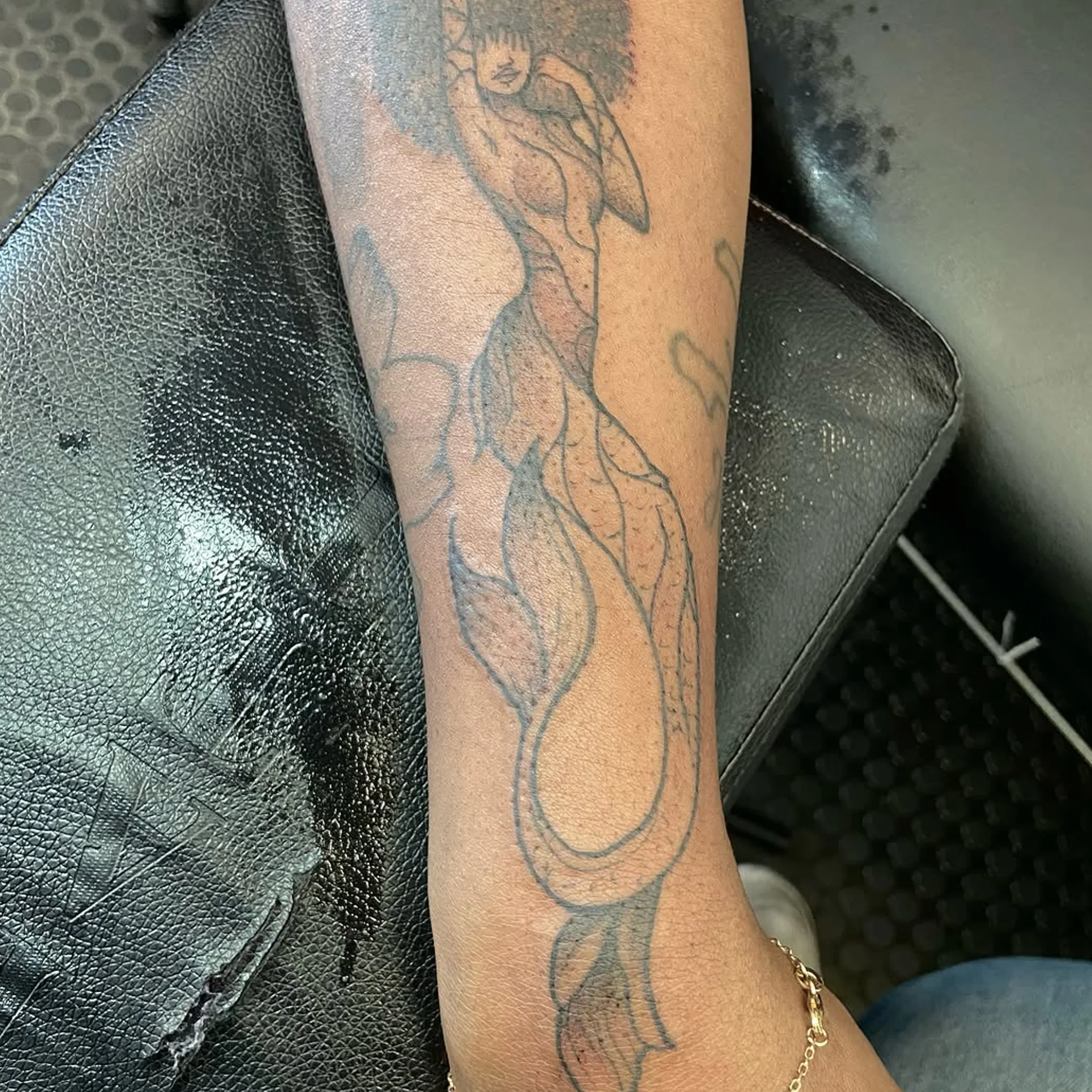
There is nothing complicated about laser tattoo removal when the fundamentals are adhered to, but do not be lulled into thinking it is all routine and cosmetic. It is high-energy light and it brings with it the trauma to the skin, risk of infection, blistering, scarring and pigment change. Familiarize yourself with essential tattoo removal aftercare tips to ensure proper healing.
Then there is the matter of expectation. “Complete removal” is something no one can put their name to, and some fading will be uneven; several sessions are the norm for most tattoos. Should someone put forward the case for perfect clearance on any ink, any body part, any type of skin, they are being disingenuous.
What You Should See
Proper care means a skin assessment before you start, a patch test if called for, a plan on paper and aftercare you can make head and tail of even with an ice pack in hand. Protective eyewear commensurate with the wavelength is also part of the package. With class 3B and 4 lasers it is non negotiable, the only thing between you and an eye injury in the treatment room.
While Q-switched and the like are in vogue at Australian clinics for targeting pigment, brand talk is no substitute for training and compliance. That is where AS/NZS 4173 and AS/NZS IEC 60825.1:2014 come in.
State Rules
In 2026 the regulations for tattoo removal in Australia are more of a patchwork than a flat plain. The principles of safety hold true from one end of the country to the other but the oversight and licensing can be quite another matter. Sadie Fairmont makes a point of having state compliance on her shortlist of criteria for a clinic. If the staff are at a loss when you put to them the laser licensing Australia requires in their state, move along.
A State By State View
| State/Territory | What To Check | Practical Consumer Note |
| NSW | laser safety processes, documented consent and the operator’s training | Find out who is doing the work and under what qualifications, and how they record adverse events |
| VIC | Protocols, equipment and the competency of the staff | Do not mistake a background in beauty for an aptitude with lasers |
| QLD | Whether the Queensland Health requirements for a radiation safety licence are being met by the equipment in use | Queensland Health is a key authority to check against when confirming current obligations |
| WA | Device controls and operator compliance under Radiological Council (Western Australia) guidelines | The Radiological Council (Western Australia) is especially relevant for laser use regulation |
| SA | Incident management and training | Make sure you know who has responsibility for laser safety at the premises |
| TAS | Patient screening and records should be of a metro standard even in regional areas | Regional clinics should still have metro-level paperwork and protocols |
| ACT | Medical referral pathway and knowledge of treatment limits | Good clinics know when not to treat |
| NT | Suitable aftercare for the climate | Climate affects healing more than people think, especially in the wet season |
It is best to go to the regulator for confirmation of current obligations rather than take a receptionist’s word for it on a Monday morning when matters of licensing and radiation apparatus are at stake. For Queensland that means Queensland Health.
On Qualifications
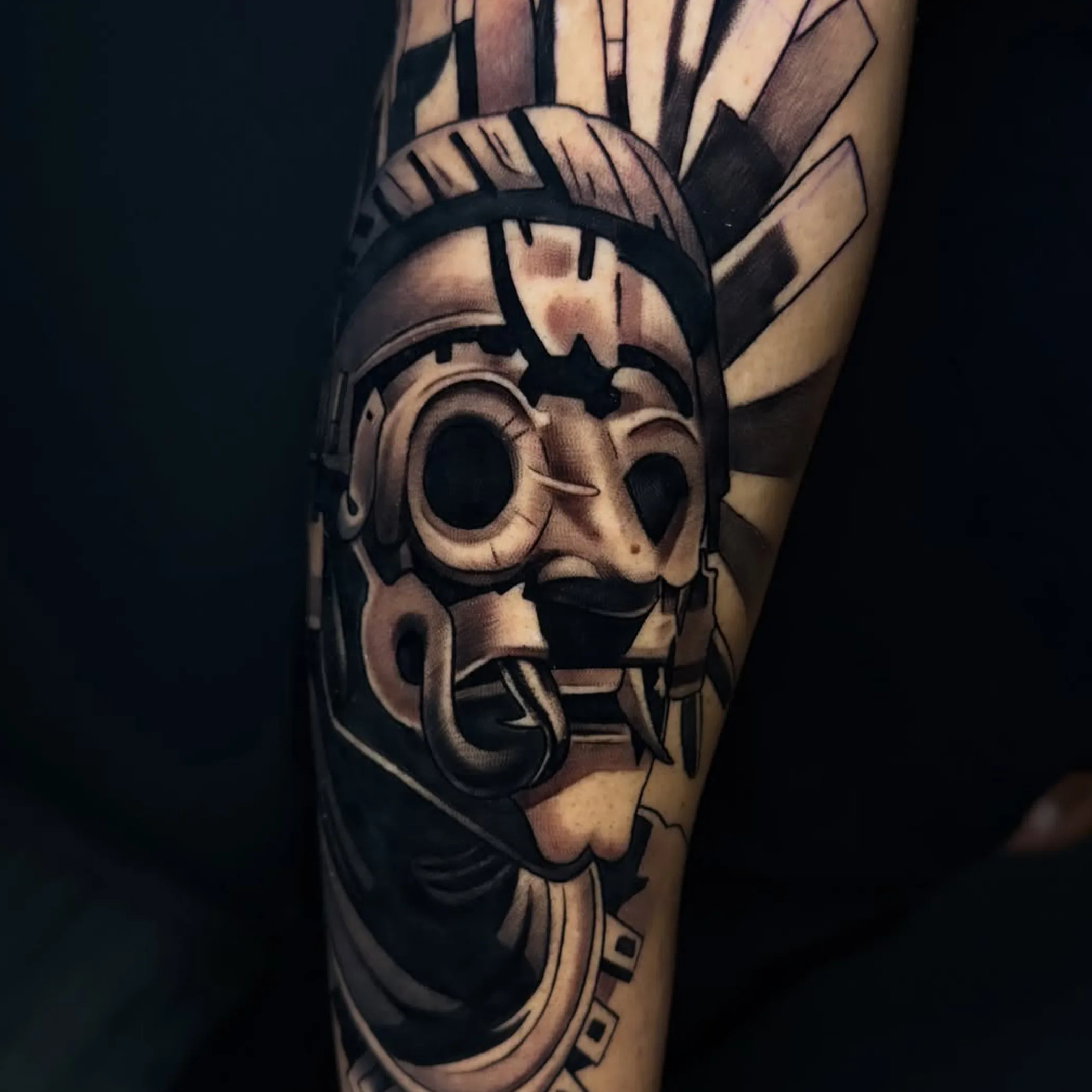
“What does one need to do laser tattoo removal?” is a common query. In Australia the truth is you will not find a licence card that is valid in every state and means the same thing. You are looking for a clinic system with the works: relevant laser training on record, state compliance as the case may be, and one that has in place supervision, incident response and the means to assess a client properly.
“Do not be consoled by a weekend certificate when there is a class 4 beam directed at your skin,” would be how Sadie Fairmont puts it. One hears Bravura Education come up in industry circles, but the consumer would do well to put aside the course name and see what the training amounts to in terms of supervised clinical practice.
Questions Worth Asking
- What laser-specific training can the person doing the treatment show for?
- Is a Laser Safety Officer present with an Australian course credential commensurate with the equipment?
- Under what safety procedures is the device run; are they in line with AS/NZS 4173 and AS/NZS IEC 60825.1:2014?
- Does the clinic have an adverse-event protocol and public liability insurance?
- And of the operator’s monthly caseload of tattoo removals, how many are on a Fitzpatrick type like yours?
That is important. A practitioner whose time is taken up with hair reduction or pigment facials is not the one you want for dense black ink or layered cover-ups, nor for darker skin where post-inflammatory pigment change is more of a risk.
Understand Equipment Standards
There is no room for guesswork or vibes when it comes to laser tattoo removal safety. It is about running the room to recognised standards and using and maintaining the right equipment, and matching wavelengths to the skin and ink before a single pulse is fired.
A clinic should have no trouble putting into plain English their protective measures, beam hazards, maintenance and device class. If they are unable to, so much the worse. If they refuse, all the worse.
Why The Standards Matter
Tattoo removal lasers will give you a retinal injury, a skin burn or an accidental reflection if the environment is left uncontrolled. Hence the importance of AS/NZS IEC 60825.1:2014 for user guidance and product classification, and AS/NZS 4173 for the safe use of intense light sources in health care.
In a clinic this means the room is access-controlled, there is warning signage and the right eyewear, and settings are chosen for the stage of treatment and the client. You will not find them cranking the fluence to heroic levels because a wedding is in four weeks and the client is in a hurry. Skin has no regard for your timetable.
Do A Proper Skin Check
This is where a good clinic makes its worth. An assessment prior to treatment is not done for the sake of filling out forms; it is to head off allergic reactions, poor healing, burns and other let-downs.
People make the mistake of thinking it is all about the ink. In fact it is the dynamic between the ink, the laser and the way your skin heals.
What Should Be Assessed
Your practitioner ought to be checking for everything from Fitzpatrick type and sun exposure to current medications and any isotretinoin history. They will want to know of immune conditions, active dermatitis or infection, pregnancy if their policy dictates, and whether you have a propensity for keloid scarring. Any previous reaction to a laser should be noted, as should the presence of cosmetic inks or pigments that could be unpredictable.
Bargain hunters often find themselves on the wrong side of things here. When a clinic does not so much as look at the tattoo before offering a quote they are processing you, not assessing you. I have had my fill of regional health messaging and first-aid shenanigans to know that shortcuts have a way of coming back to haunt you.
Stay Safe During Treatment
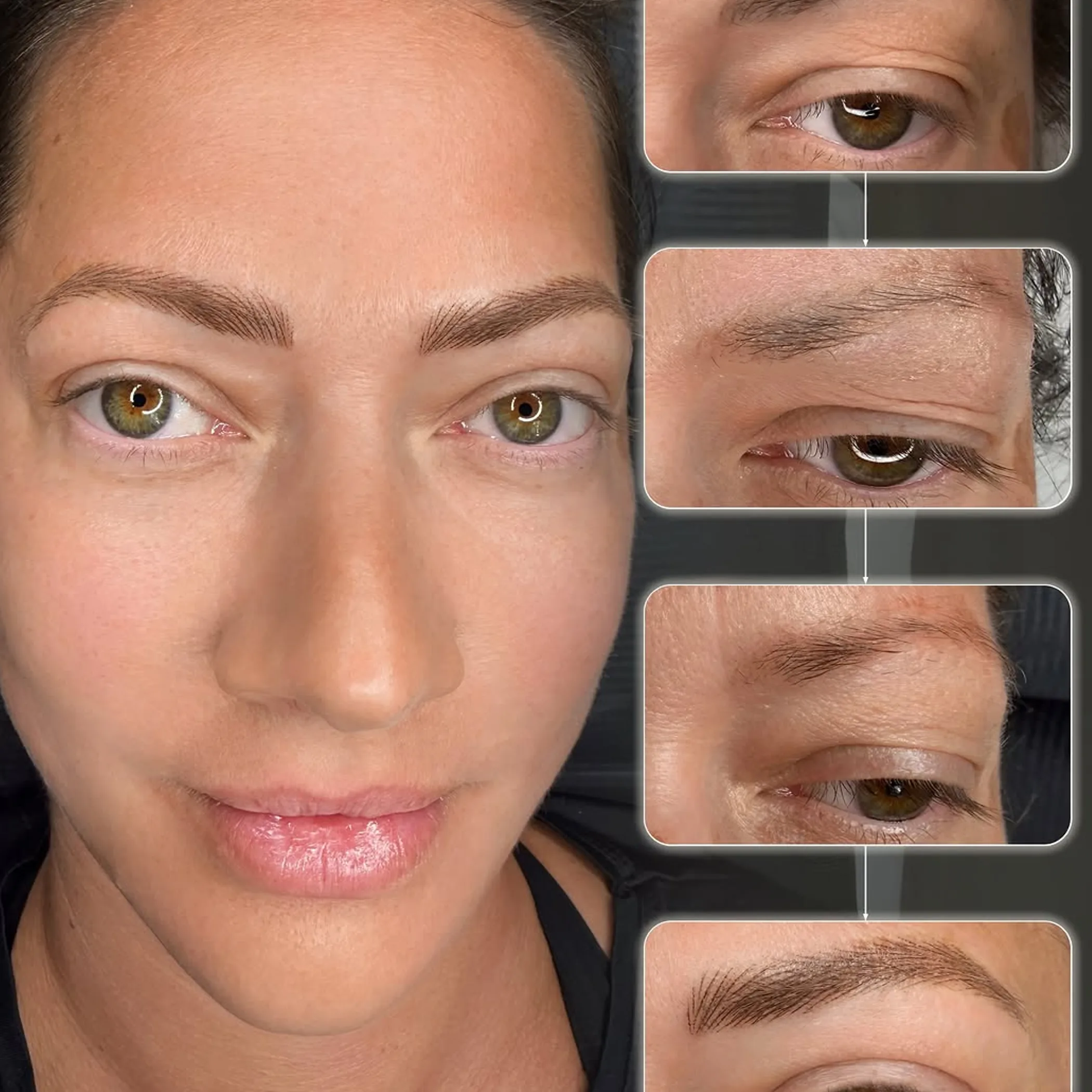
The treatment room is best when it is calm and controlled, even a bit dull. There is nothing flashy about good safety, only organisation and documentation.
Eye safety, conservative settings, some monitoring and records are the order of the day for in-treatment protection. Leave the drama to reality TV.
What The Session Should Include
Everyone in the room should have ocular protection suited to the wavelength. Your identity and the site will be confirmed, interval changes in health reviewed and a test patch put in if called for. Energy settings are to be dictated by your skin tone and the tattoo’s pattern of fading as well as what has been seen in earlier sessions. Some systems will produce an immediate frosting as a normal endpoint, but with aggressive overlapping and a hasty retreatment you are likely to get blistering and scars.
One should not overlook the importance of documentation. It is for the clinic to put on record the device and its settings, be it pulse or fluence, as well as spot size, the area under treatment, skin reaction, pain levels and any aftercare given. Should a situation turn for the worse at some point, such notes are no mere administrative exercise but your way out of a tangle.
Hygiene And Infection Control
You will see the infection control protocols in place at a tattoo removal clinic before you are even seated. There is nothing optional about hand hygiene, the disposal of clinical waste, clean surfaces, single-use items and proper skin prep; they are the minimum standard.
Hot weather can be an issue with aftercare. The Top End, North Queensland or the Pilbara present sticky conditions where a combination of dust, friction and sweat will have a healing site in a state in short order. Treatment is by no means off the table, but one has to be realistic about aftercare in that kind of climate and with one’s routine.
Red Flags For Clinic Hygiene
A client would be right to walk if he finds the beds are not turned over between treatments, or staff are using gloved hands on a drawer after being in contact with his skin, or the room controls and plume extraction are done in a slapdash manner. Then there is the matter of broken skin, rashes, sunburn or an infection that is suspected; a good clinic will know to put off treatment on that account.
Make Your Aftercare Count
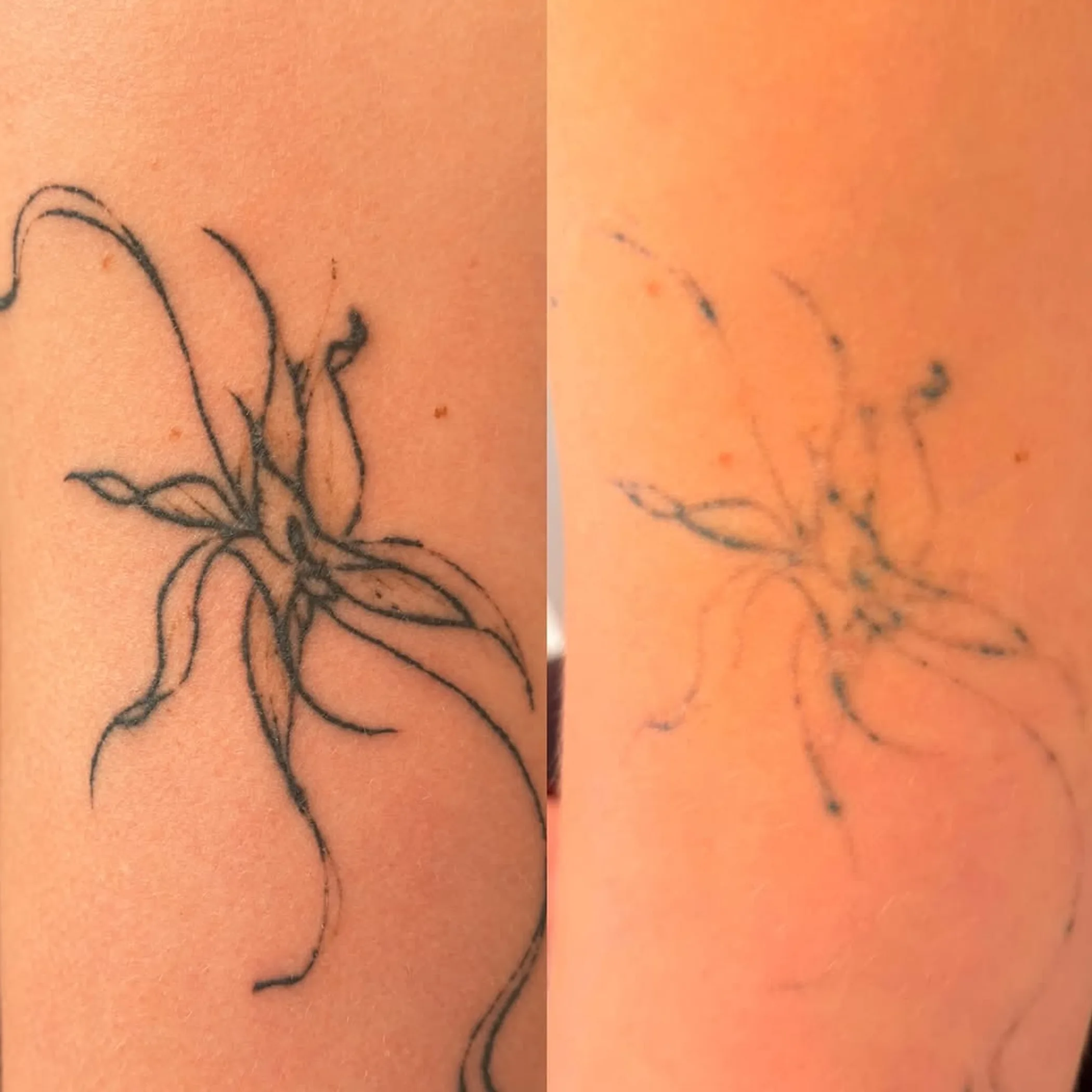
People make the mistake of not giving this enough thought and find themselves regretting it on day three when things are hot and tight and irritable. Proper aftercare will see off inflammation and cut down on the risk of infection or any textural and pigment damage.
The essential tips Sadie Fairmont puts forward for tattoo removal are of a practical nature, the sort that holds up when you are in summer traffic on the way home from work and do not want your shirt chafing the area.
Aftercare Checklist
- Apply a cold compress to cool the area, not ice directly on the skin.
- Heed your practitioner’s advice and leave the site dry and clean, do not pick at blisters or crusts.
- Stick with what the clinic has put in front of you for products, particularly with sensitive skin or past dermatitis.
- Once healed, be strict with sun protection since UV will exacerbate any change in pigment.
- Put off any heavy training, saunas, spas or swimming until the skin is properly mended.
In Australia one has to factor in local conditions. A hiker in the Adelaide Hills in a heatwave, a tradie in Perth or someone in hospitality in humid Brisbane will have their own set of problems to heal from. Do not take the generic handout, ask for aftercare suited to your life.
There Is A Time To Call In Help
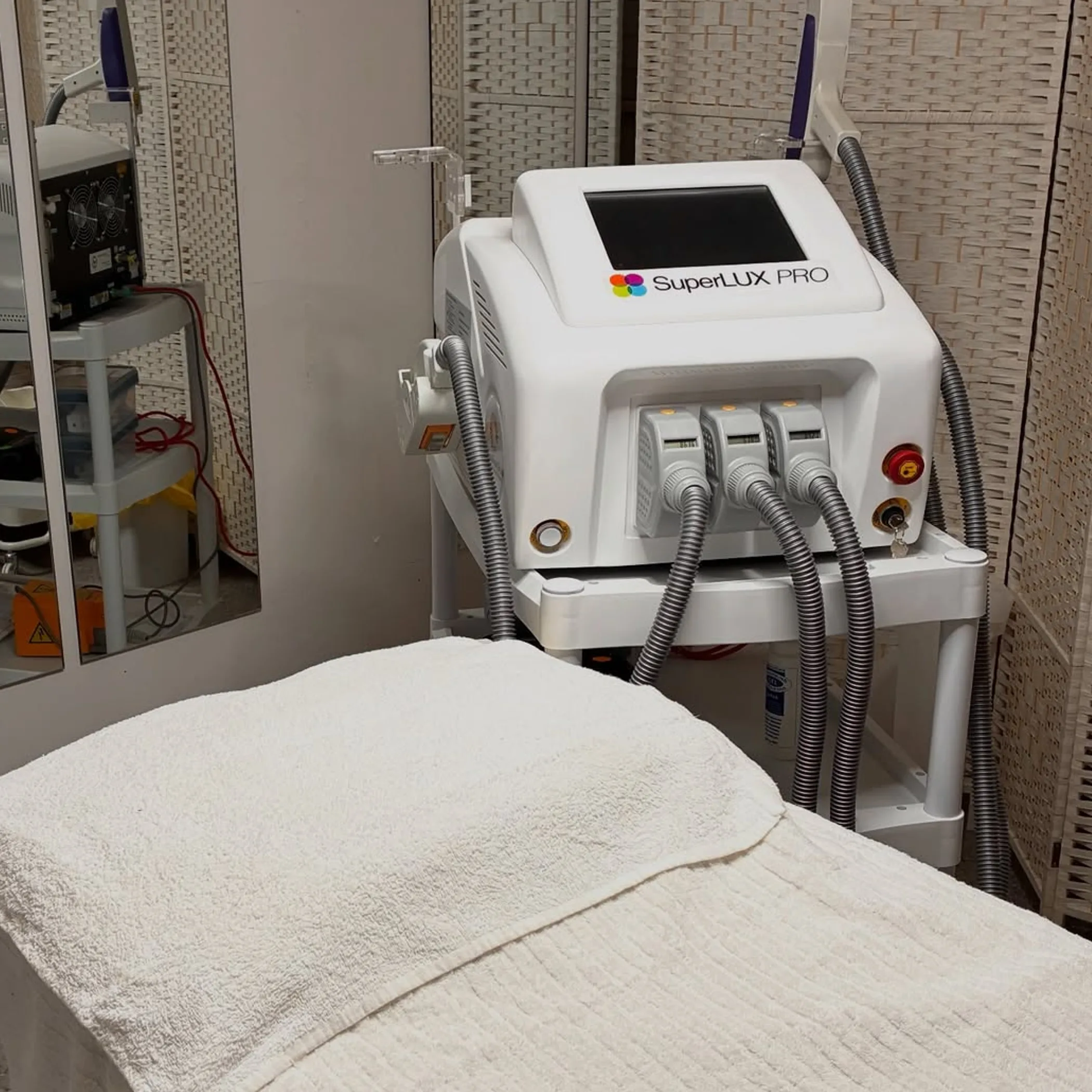
With the laser and settings employed, tenderness, whitening, pinpoint bleeding and some swelling or redness is to be had. But when the area starts to weep or smell, or there is spreading redness, fever or pain on the increase, trouble is afoot. Most would rather put up with it thinking it is all part of the process, but some reactions are not normal. Best to tell the difference early and not have a mess of it.
Contacting The Clinic Or Doctor
An urgent review is called for in the event of vision symptoms, severe blistering, an allergic response, or wounds not closing as they should. If the clinic is not taking your concerns seriously then see a medical practitioner. You may come across the likes of Ink Off, Tattlab, Fresh Skin Canvas, Newcastle Cosmetic Doctor or Australian Skin Clinics in your research, but the name of the provider does not alter the expectation of documented complication management and follow-up. As for Professional Beauty and the like, they are fine for keeping abreast of trends, but let regulator standards and the clinic itself inform your decisions. Marketing is only what a business wants to put across. What compliance will have you do is put to the test what it can prove.
The Clinic You Choose
A clinic has to be the right fit for the tattoo in question, the skin type and your expectations; some are not. When you are putting together consultations in a day, make it a point to go with a provider who is forthcoming on eye safety and state compliance, one that will give you a proper assessment and set realistic intervals for treatment. You will get a better read of things from that than from any before-and-after gallery.
Then there is the matter of the treatment itself. It calls for an ability to put in the time for aftercare and multiple sessions at sensible intervals. If one is after quick fixes, does not think much of a fresh tan or sun protection, then this is not the way to go. A fresh tan is no small thing.
An Example Of A Sound Consumer Plan
Start by making a consultation. Have your medical history and a list of medications to hand. Get a feel for the cost in AUD and how many sessions you are looking at. Put aside healing time. While a gallery of costs will show wide variance depending on where the tattoo is, its size and colours, a bargain session can turn costly when shoddy work means complications and further treatments. Do not overlook the mundane like parking and access either. After a sore session you would rather not be contending with peak-hour public transport in Adelaide, Sydney or Melbourne with a newly treated forearm in contact with every other backpacker’s rucksack.
For planning purposes, build in some extra margin for healing in the summer months or if your occupation has you in dust and sweat or a uniform that is too tight. The same goes for high UV or coming off a beach holiday. Seasonality is more than just the weather; bushfire smoke, the kind of humidity one finds in the tropics and long-sleeve work gear are all factors in your comfort and recovery.
In The End
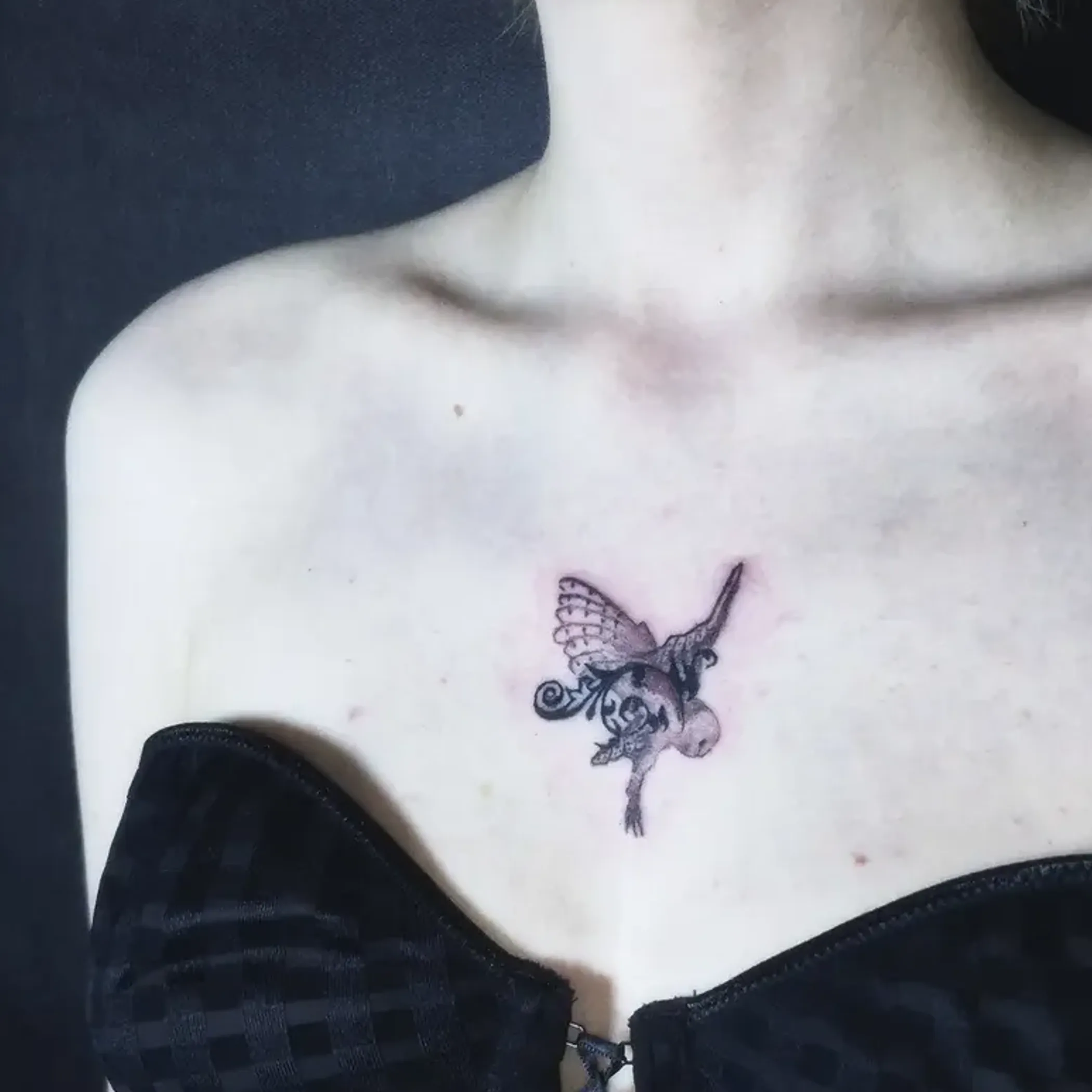
Navigating Australia 2026 tattoo removal regulations is not hard but you must do your homework. Be sure the clinic’s systems are in keeping with AS/NZS 4173 and AS/NZS IEC 60825.1:2014 standards, verify the operator has been trained and is under the watch of a Laser Safety Officer, and take your aftercare in stride. It is what separates a well run process from something that could have been avoided.
Put it to me and I would say: go with the clinic that is open about risk as opposed to one peddling magic. Slick branding is no substitute for honest advice in tattoo removal.
FAQ
Qualifications for laser tattoo removal
You will not find a national qualification of one kind that is the same throughout Australia. What to look for is training in lasers and the devices used for removal, good record-keeping and infection control, oversight from a Laser Safety Officer and adherence to the state.
$200,000 on tattoo removal?
You may see the media make a lot of such claims in high profile cases but they are not a useful guide for the rest of us. In the end the bill is a function of colour mix, size, location, the number of sessions required and the clinic’s prices.
Is 100% removal possible?
Never guaranteed. A tattoo may very well fade but black ink will generally do better than green or blue or a layered cover-up. There can be ghosting or a change in texture left behind.
Darker skin tones and safety
Provided the Fitzpatrick type is given due consideration and the settings are conservative, yes. But the likelihood of hypo- or hyperpigmentation is greater so you want an experienced operator.
Session spacing
Your practitioner will have a protocol and the device and tattoo will dictate the answer but do not rush it. Proper spacing is needed for the ink to clear and for healing. To hurry the process and end up with more irritation and no better result is a classic own goal.